UK Finance says fraud risk drives crypto payment limits, not sector-wide exclusion
 Phuong-Linh Nguyen

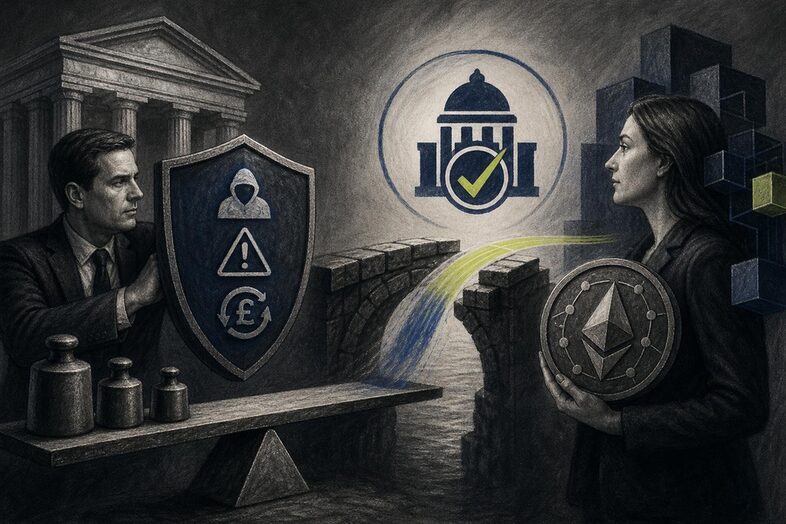
UK Finance has told Parliament that fraud exposure, rather than an effort to exclude crypto businesses, is behind banks’ restrictions on payments to digital-asset firms and some account decisions. The industry body says mandatory reimbursement rules for authorised push payment (APP) fraud leave banks liable when customers are tricked into sending money to criminals, including funds that later pass through cryptoassets.
The response came after the Crypto and Digital Assets All-Party Parliamentary Group questioned major banks about reports of crypto businesses being “de-banked” and retail customers facing limits on deposits to exchanges. UK Finance rejected the idea that the sector had imposed a blanket ban, describing the measures as risk-based controls.
APP fraud liabilities shape transfer policies
APP fraud involves a customer being deceived into authorising a payment to a fraudster. Under UK rules, banks face legal requirements to reimburse victims. UK Finance says a significant portion of stolen funds eventually move through or settle in cryptoassets, creating a potential reimbursement cost for banks.
That exposure informs the limits some customers encounter when transferring money to crypto exchanges. UK Finance’s position is that banks balance their willingness to serve customers against the liabilities attached to APP fraud. In practice, that can mean lower payment caps for retail investors, as well as closer scrutiny of account applications.
The response does not provide figures for how many customers or firms face restrictions, nor does it specify a common limit used across the banking sector. It therefore offers an explanation for the controls, rather than evidence that every bank applies the same policy. UK Finance disputes the suggestion of systematic exclusion, but its account acknowledges that limits and refusals can affect crypto-related customers and businesses.
Regulatory timetable may affect access
UK Finance linked the relationship between banks and crypto firms to the Financial Conduct Authority’s incoming authorisation regime. The FCA opened its cryptoasset authorisation gateway on 30 September 2026. The application window is due to close on 28 February 2027, and the mandatory regime is scheduled to take effect on 25 October 2027.
In his letter, UK Finance chief executive David Postings said a clear and robust framework could help build confidence in serving the sector. The organisation also argued that firms exposing consumers to comparable financial risks should eventually face equivalent regulatory requirements and protections.
The proposed link is about regulatory confidence, not an immediate change to bank payment settings. The letter does not say that limits will be removed when the gateway closes, or that firms will automatically gain banking access once the full regime takes effect. Until then, the practical conditions described by UK Finance remain: banks assess fraud exposure and reimbursement liabilities when deciding how to handle payments and accounts.

What customers and crypto firms can expect
For UK retail investors, the response gives no indication that transfer caps or delays will end in the near term. Customers sending money to exchanges may continue to face restrictions set by their banks. UK Finance presents those controls as safeguards against fraud losses, rather than a judgement on cryptoassets themselves.
Crypto startups and web3 businesses face a separate but related challenge when seeking a traditional UK corporate bank account. UK Finance advises banks to maintain rigorous checks when onboarding clients. It says firms should be able to demonstrate strong anti-money laundering controls and prepare for the FCA’s authorisation expectations.
The parliamentary exchange began with a “Dear CEO” letter from APPG co-chairs Gurinder Singh Josan MP and Lord Vaizey of Didcot on 11 August 2026. Postings replied on behalf of UK Finance on 5 October. The formal regime’s scheduled start date is 25 October 2027.